June 18, 2025

Moderating the session on Responsible Business Conduct in Transition Minerals, Lucy Shao of HakiRasilimali said that while business contributes significantly to economic development and livelihoods, it can cause serious harm if not done responsibly. “Policies and laws must take into account the b.....
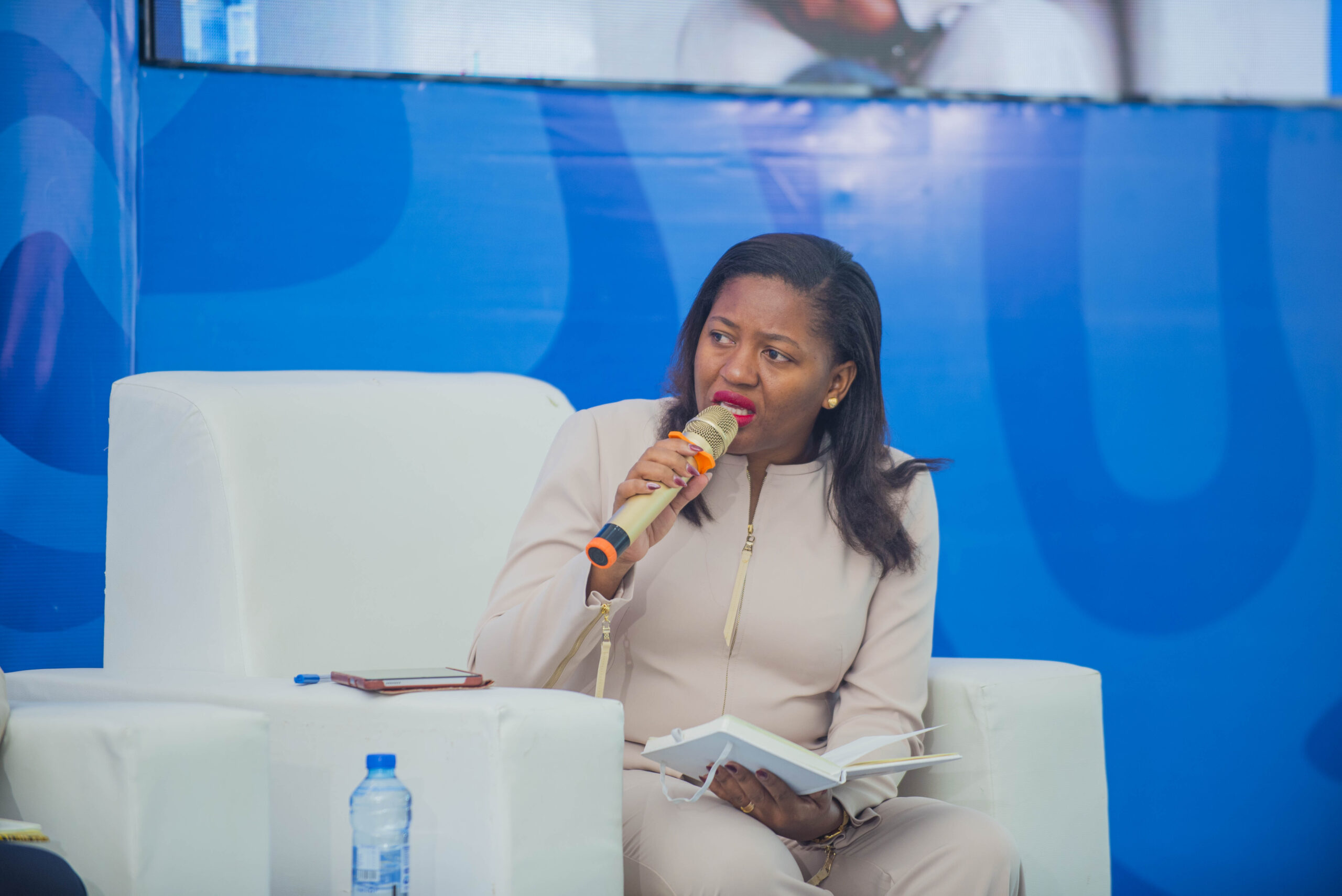
Calls for stronger laws and ethical standards in Africa’s transition minerals sector echoed on the second day of the 2025 Extractive Forum (Jukwaa la Uziduaji) held in Dodoma.
Moderating the session on Responsible Business Conduct in Transition Minerals, Lucy Shao of HakiRasilimali said that while business contributes significantly to economic development and livelihoods, it can cause serious harm if not done responsibly.

“Policies and laws must take into account the broader impacts of business, particularly in the extractive industry,” she noted.

Representing the Commission for Human Rights and Good Governance (CHRAGG), legal expert Jovitha Mchunguzi said they are working to promote equity in the extractive sector to ensure inclusivity.

“We face challenges ranging from land rights, human rights violations, taxation, globalisation to climate change. However, we have developed a strategic plan currently in draft form, which is set to be implemented starting July this year,” she explained.

From Business and Human Rights Tanzania (BHRT), Rose Ugulumu shared findings from research in nickel-rich areas of Ruangwa in Lindi and Ngara in Kagera

“Our research revealed environmental concerns including noise and air pollution as well as unsafe working conditions, especially in Lindi and Ruangwa, posing health risks to workers,” she said.

She further pointed out that in Ngara, near the Tembo Nickel project, many community members lack sufficient knowledge of the project’s structure and operations.

Tafara Chiremba, a representative of the Zimbabwe Environmental Lawyers Association (ZELA), said human rights violations remain common in Africa’s extractive sector.

“In Zimbabwe, for instance, we have abundant lithium, which contributes to national development. However, it also negatively affects communities through water pollution and hazardous waste,” he said.

He added that Chinese investors, who dominate the country’s lithium industry, often prioritise profits over environmental protection, partly due to gaps and weak enforcement in the legal system.

Related Posts

Call for Application-Extractive Sector Knowledge Transfer Incubator (ESKi)
Sep 02, 2025

Call for Application-Extractive Sector Knowledge Transfer Incubator (ESKi)

ESKi Tanzania ni programu ya kukuza uwezo iliyoundwa ili kukuza na kuendeleza kizazi kipya cha viongozi, watetezi wa jamii na wataalamu wanaoshughulik...

Call for Application – Extractive Sector Knowledge Transfer Incubator (ESKi)
Sep 01, 2025

Call for Application – Extractive Sector Knowledge Transfer Incubator (ESKi)

Capacity-building opportunity for CSOs, youth and media to deepen technical expertise.

External audit services tender
Aug 14, 2025

External audit services tender

HakiRasilimali invites qualified firms to submit proposals for annual audit engagements.